12 hr
Tuscany Highlights: Siena, San Gimignano & Pisa Day Trip with Winery Lunch
Explore three iconic Tuscan destinations in one day, complete with Chianti wine tasting and traditional lunch
Reserve
Hand-picked by our editors — only the best 5 experiences from 18 reviewed
Verified partners for every tour, free cancellation where available, and instant confirmation on every booking.
12 hr
Explore three iconic Tuscan destinations in one day, complete with Chianti wine tasting and traditional lunch
Reserve
11 hr
Journey through Tuscany's medieval gems and vineyard-covered hills on this full-day guided excursion
Reserve
11 hr
Explore three medieval Tuscan gems in one day, complete with Chianti wine tasting and regional treats
ReservePrices from verified partners. Availability updates in real time at checkout. Free cancellation policies apply where shown.
The landmarks, rooms, and views travelers on this tour remember — all visible on a single visit.
Rows of vines producing the region's primary grape variety.
Historic underground areas where wine matures in barrels.
The unique limestone and clay composition of the region.
Dedicated spaces for evaluating wine profiles.
Century-old farmhouses and villas reflecting rural life.
Chianti wine tasting from siena tours offer a focused immersion for oenophiles, while regional day trips better suit travelers prioritizing broad cultural exposure to landmarks like San Gimignano.
| Feature | Top pick Chianti Wine Tasting | Regional Tuscany Day Trips |
|---|---|---|
Primary focus |
Viticulture and cellar production | Regional sightseeing and history |
Depth of wine knowledge |
High academic and sensory detail | General introductory overview |
Number of locations visited |
1–2 vineyards | 2–3 varied towns and sites |
Transit time vs time at destination |
Low transit with extended tasting | High transit with brief stops |
Suitability for wine enthusiasts |
High suitability | Low to moderate suitability |
| See tickets → |
Verdict: Choose the chianti wine tasting from siena tour if you seek granular expertise in Sangiovese, or opt for regional day trips if you prefer a wider survey of the Tuscan landscape.
Choose your ticket, select your date, and reserve in under two minutes. Secure checkout handled by our verified partner.
Instant confirmation by email, with a mobile voucher you can save offline. No printing, no queuing at a collection desk.
Arrive at the entrance, show your voucher on your phone, and walk in. Most tickets include priority or skip-the-line access.
Practical details for your visit straight from our verified partners — hours, access, rules, and how to get there.
Central Siena bus hub for most tours
Convenient for regional transport
Driving is the most flexible way to reach remote estates
Casual and comfortable clothing is recommended. Wear sturdy, flat-soled shoes as walking through vineyards often involves uneven dirt paths.
Small daypacks are generally acceptable. Large luggage should be left at your hotel in Siena as tour vehicles have limited storage space.
Photography is encouraged in the vineyards and cellars. Please respect the privacy of other guests and refrain from using flash inside dimly lit wine aging rooms.
Vineyard estates in Tuscany often feature historical architecture with stairs and gravel terrain. Guests with limited mobility should confirm accessible vehicle and cellar options before booking a chianti wine tasting from siena tour.
Mobile phones are permitted for photos. Please set devices to silent mode during guided cellar tours to maintain the atmosphere.
Some estates welcome families, but wine tastings are designed for adults. Check if your chosen chianti wine tasting from siena tickets include non-alcoholic options for minors.
Most tours include light snacks or a full lunch paired with local varietals. Do not bring outside food or alcohol to the vineyard grounds.
Pets are generally not permitted on group tours due to health regulations in food production areas. Private transport options may have different policies.
The Chianti region is known for its rolling hills and distinct terroir. Always verify your meeting point in Siena before the tour date.
Central Siena bus hub for most tours
Convenient for regional transport
Get directionsBest time to go, insider tips, nearby landmarks, and the cancellation fine print — flip through to skim what matters to you.
How crowds, weather, and events shift across the year.
Mild temperatures and green landscapes define this season. April to May offers comfortable walking conditions for vineyard tours.
Small details that turn a good visit into a great one.
Popular tours sell out quickly during summer months.
Non-bookable sights within a short walk — free to visit, easy to pair.
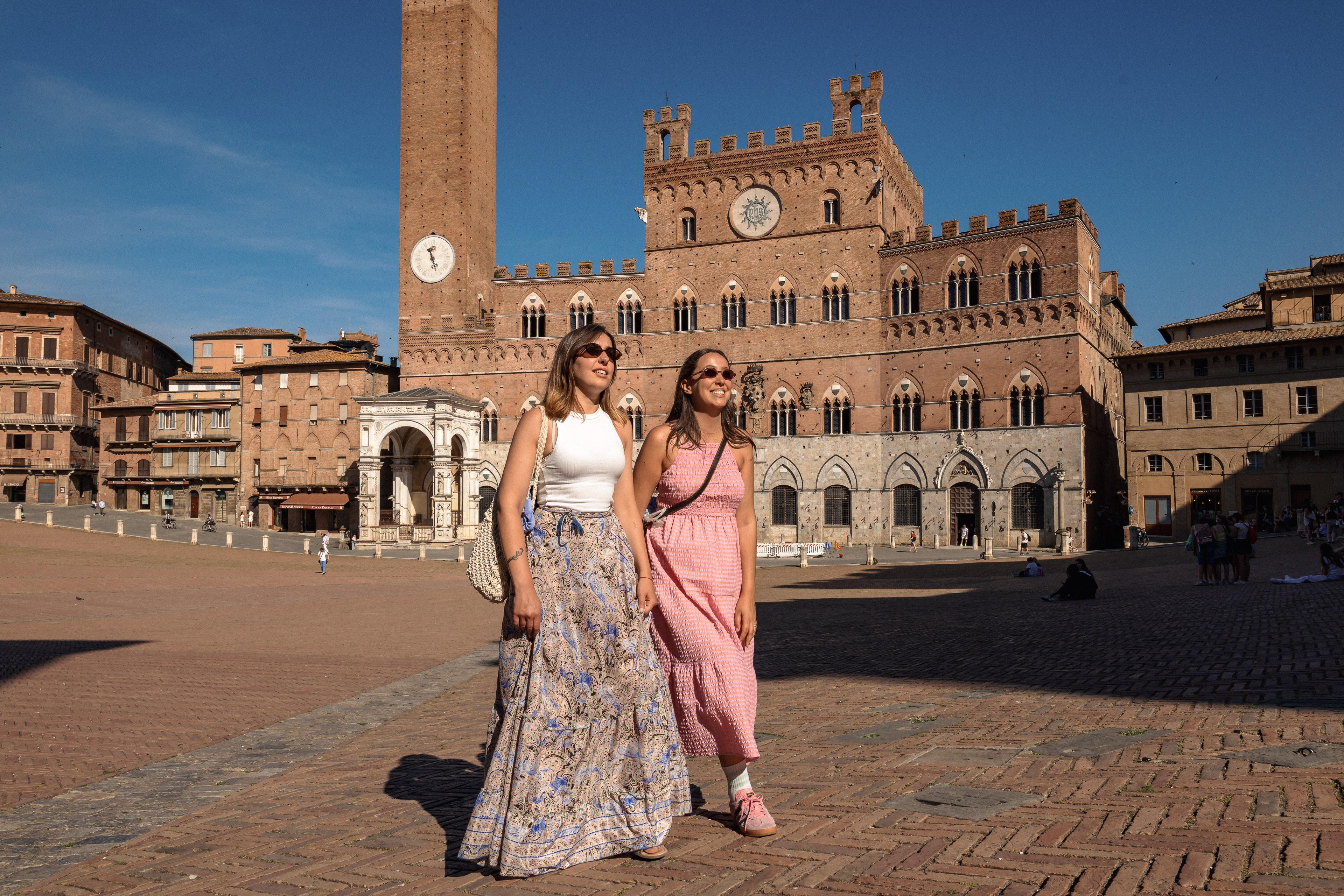
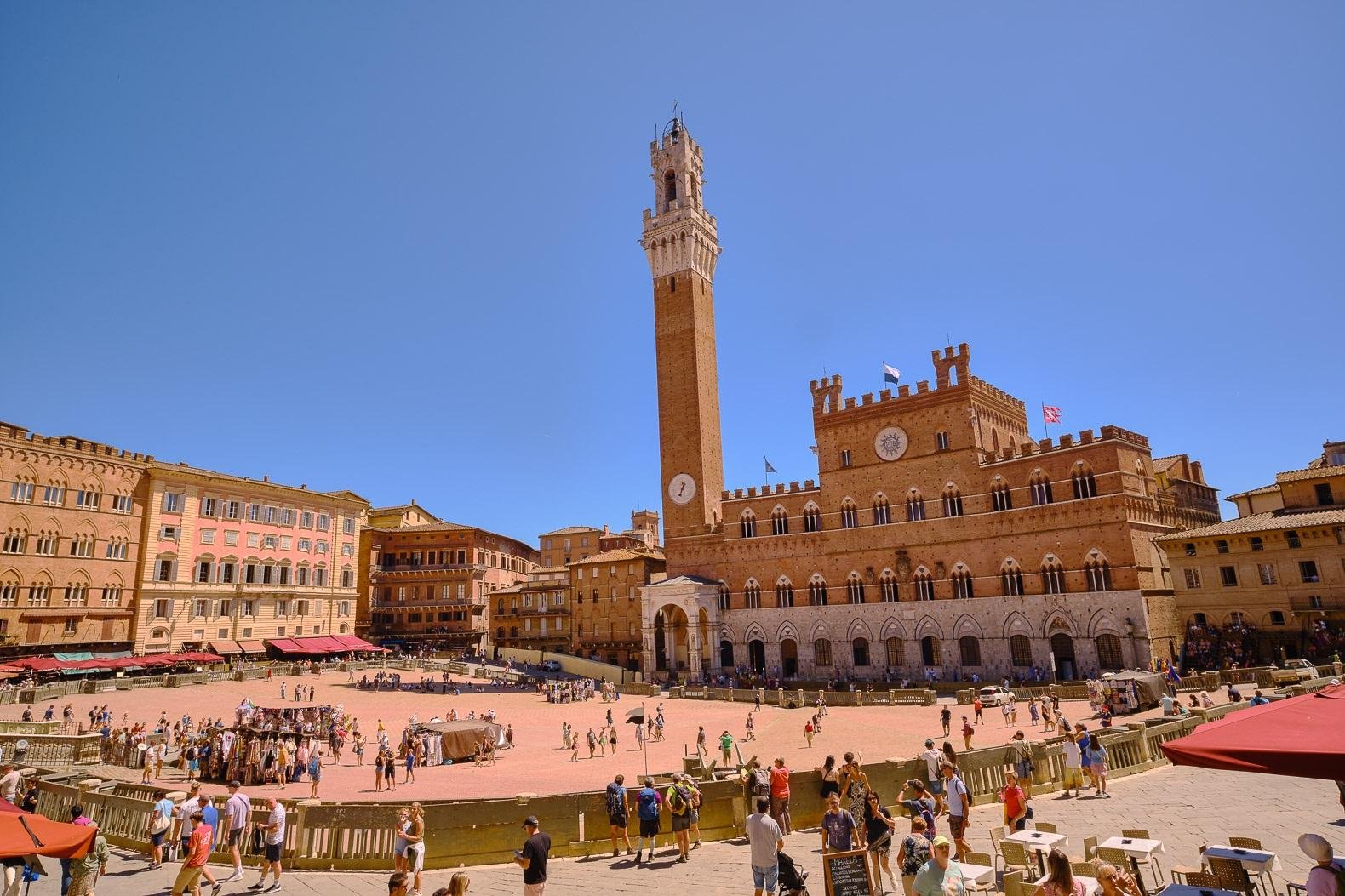
The heart of Siena famous for the Palio horse race.
Flexible, no hidden fees.
Most operators allow cancellations up to 24–48 hours before the scheduled departure for a full refund. The entrance fee is 0 EUR as these are tour-based services.
Hand-picked options within walking distance — pick a district for vibe, or a specific hotel for convenience.
Best area for easy access to tour meeting points.
The Chianti zone produces roughly 8 million cases annually, yet fewer than 300 estates carry the Gallo Nero black rooster seal of the Chianti Classico consortium. This emblem, born from a 13th-century border dispute between Florence and Siena, now guarantees wines aged a minimum of twelve months and composed of at least eighty percent Sangiovese. The appellation stretches across 70,000 hectares of Tuscan hills, its heart lying precisely between Siena's medieval ramparts and Florence's Renaissance domes. Limestone-rich galestro soils lend the region's reds their signature mineral backbone, while altitude variations between 250 and 600 meters create microclimates that vintners have studied for seven centuries. Chianti wine tasting from Siena has anchored the region's identity since the Medici court formalized blending regulations in 1716. Modern visitors trace routes through cypress-lined borghi where families like the Ricasoli and Antinori maintain estates documented in Renaissance ledgers. Castello di Brolio, rebuilt in 1141 and fortified during Sienese-Florentine wars, remains the ancestral seat where Baron Bettino Ricasoli codified the Chianti formula in 1872. His method—Sangiovese tempered with Canaiolo and white Malvasia—survived phylloxera, two world wars, and the 1984 DOCG revision that eliminated white grapes entirely. Today's Riserva bottlings age thirty months, their garnet hue deepening in Slavonian oak botti that stand taller than a man. The landscape itself reads as viticultural text. Stone farmhouses with terracotta roofs dot hillsides striped with vine rows, olive groves, and wheat fields—the classic Tuscan triptych painted by Ambrogio Lorenzetti in Siena's Palazzo Pubblico six centuries before tourism existed. Harvest begins mid-September when sugars peak; by November, nuovo wines flow in trattorias while Riserva from prior vintages rests in cantinas dug into tufa rock. Guided tastings pair estate-bottled Chianti Classico with aged pecorino, finocchiona salami, and Tuscan bread baked without salt—a tradition older than the appellation itself. The ritual bridges agriculture and ceremony, each pour a liquid chronicle of soil, sun, and Sienese perseverance through plagues, sieges, and centuries of political upheaval that left the vineyards untouched.
"The Gallo Nero seal guarantees wines aged a minimum of twelve months and composed of at least eighty percent Sangiovese."
A step-by-step walkthrough of the visit — what you'll see, how long each stage takes, and the details that matter.
You depart Siena's Piazza del Campo by mid-morning, the city's brick towers receding as the van climbs into vine-covered hills. Within thirty minutes, you're standing in a Chianti Classico estate's courtyard, limestone gravel crunching underfoot, the air sharp with fermenting must if you visit in autumn. A vintner leads you into cellars where barrel staves exhale vanilla and toast; she explains malolactic conversion and the difference between governo and appassimento techniques as you walk between rows of botti stamped with cooperage marks. The first tasting begins at a farmhouse table set with oil-dipped bread and translucent prosciutto slices. You swirl a Chianti Classico Annata, noting its ruby clarity, then a Riserva whose garnet depth hints at longer aging. The vintner pours a Super Tuscan—pure Sangiovese aged in French oak—and you taste how terroir shifts with elevation. Lunch follows in a stone-walled sala: pappardelle al cinghiale, rosemary-rubbed pork, cantuccini dipped in Vin Santo. You linger over espresso as afternoon light gilds the vineyard rows, then visit a second estate where the cellar master demonstrates hand-bottling methods unchanged since his grandfather's era. By evening you return to Siena with three bottles cushioned in your bag and the mineral finish of galestro soil still on your palate.
You can reserve your spot through authorized operators listed on this page.
The entrance fee is 0 EUR for the region itself, but tours have specific pricing defined by the operator.
The best arrival window is 09:00–11:00 to avoid the peak heat and enjoy the best light.
Policies vary by provider, so check if your chosen tour is family-friendly.
Most sites in the Chianti region have limited accessibility, so inquire about specific terrain beforehand.
Photography is encouraged in the vineyards, but please be respectful in the cellar areas.
Most providers offer refunds if you cancel within their specified window, typically 24–48 hours before.
Yes, the city of Siena features historic landmarks like the Duomo and Piazza del Campo.
Many tours include a meal, but verify the specific inclusions in your tour description.